Hazardous Waste Pharmaceuticals and Subpart P: What Healthcare Facilities and Pharmacies Need to Know

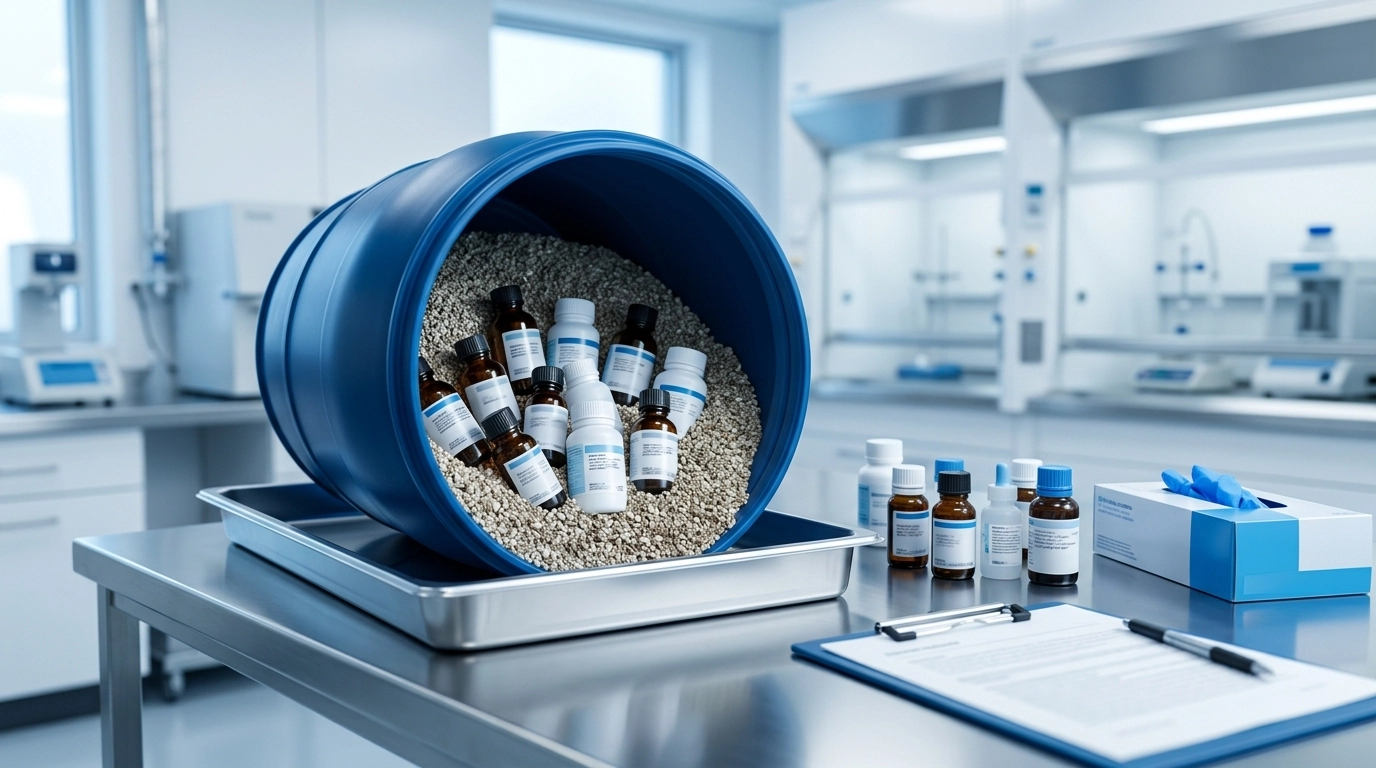
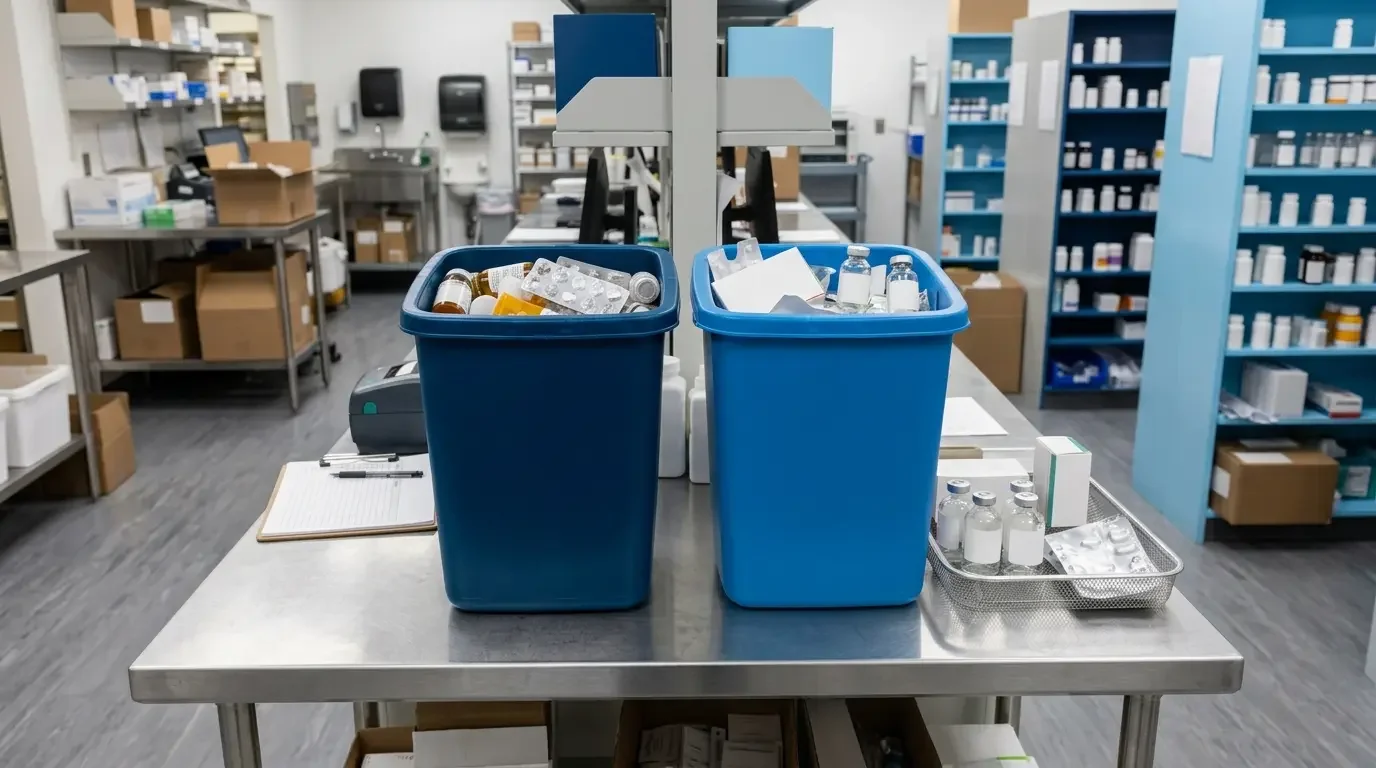
Pharmaceutical waste was one of the most awkward fits in the traditional hazardous waste rules. Hospitals and pharmacies generate small amounts of many different drugs, some of which are listed…
Continue ReadingHazardous Waste Pharmaceuticals and Subpart P: What Healthcare Facilities and Pharmacies Need to Know

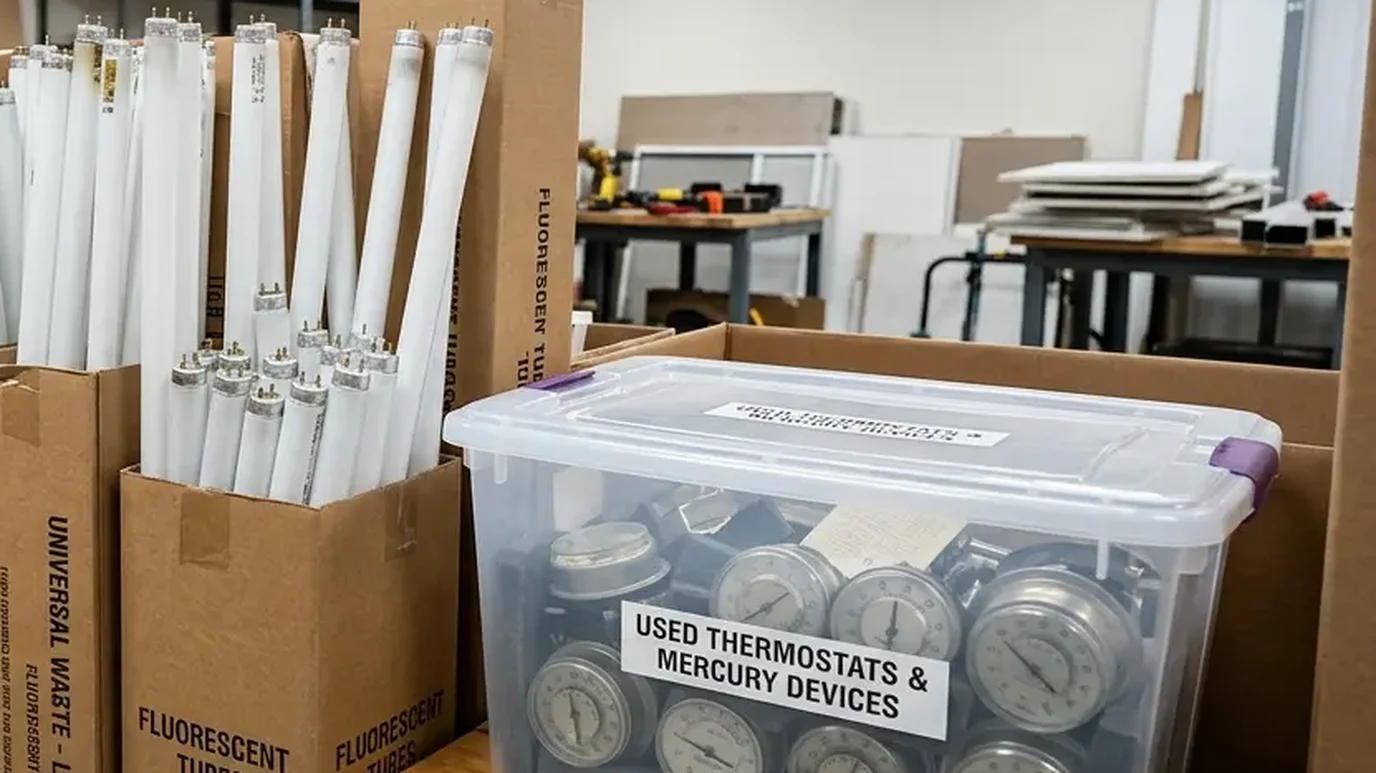
Mercury Waste Disposal: Lamps, Thermostats, Switches, and Other Mercury-Containing Equipment

Mercury turns up across ordinary commercial buildings, mostly in places nobody thinks about. Fluorescent tubes, compact fluorescent lamps, high-intensity discharge lamps, older thermostats, tilt switches, manometers, thermometers, and some medical…

Continue ReadingMercury Waste Disposal: Lamps, Thermostats, Switches, and Other Mercury-Containing Equipment

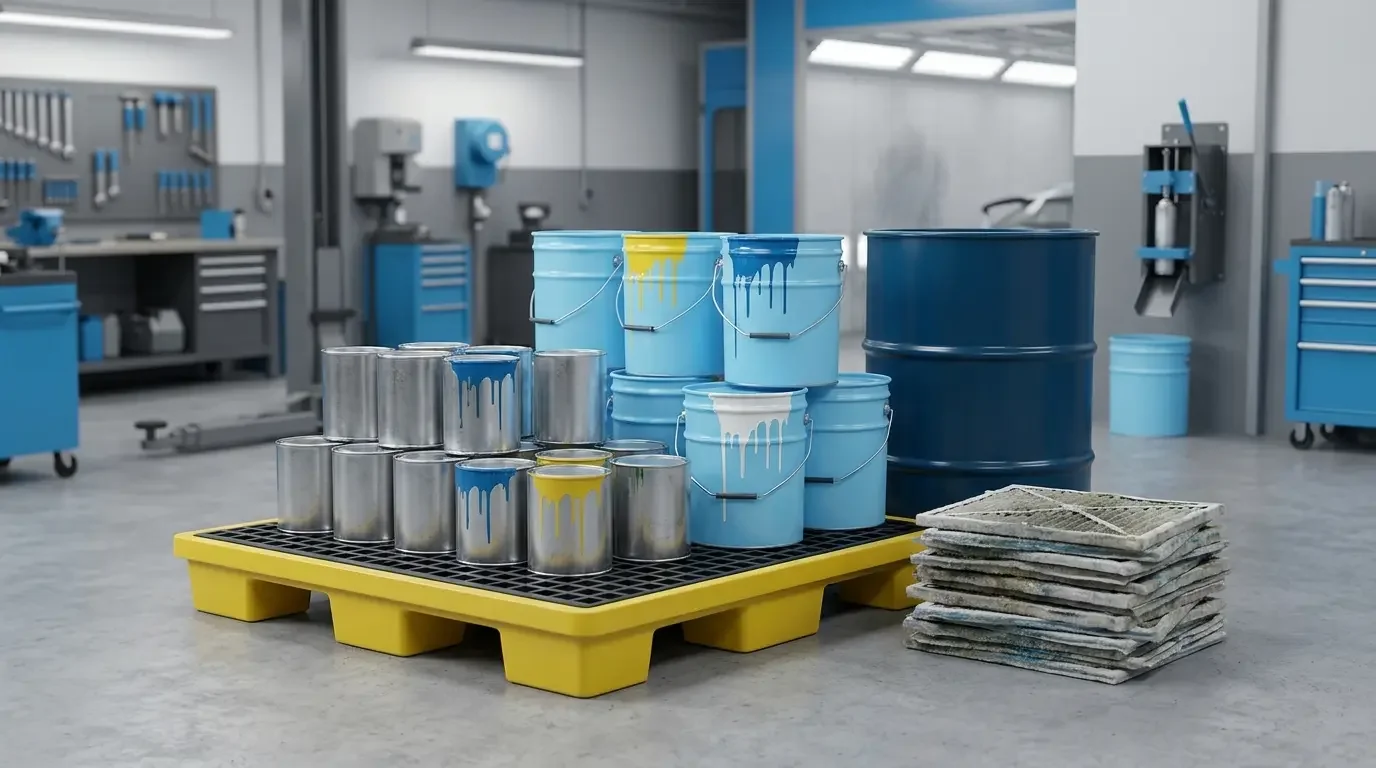
Paint Waste Disposal for Businesses: Oil-Based, Latex, Thinners, and Paint-Related Material

Paint waste shows up in more businesses than people expect. Contractors, manufacturers, auto body shops, property managers, schools, municipalities, and retailers all generate it. The streams are varied: leftover cans,…

Continue ReadingPaint Waste Disposal for Businesses: Oil-Based, Latex, Thinners, and Paint-Related Material

Aerosol Can Disposal for Businesses: Universal Waste, Puncturing, and When a Can Is Actually Empty

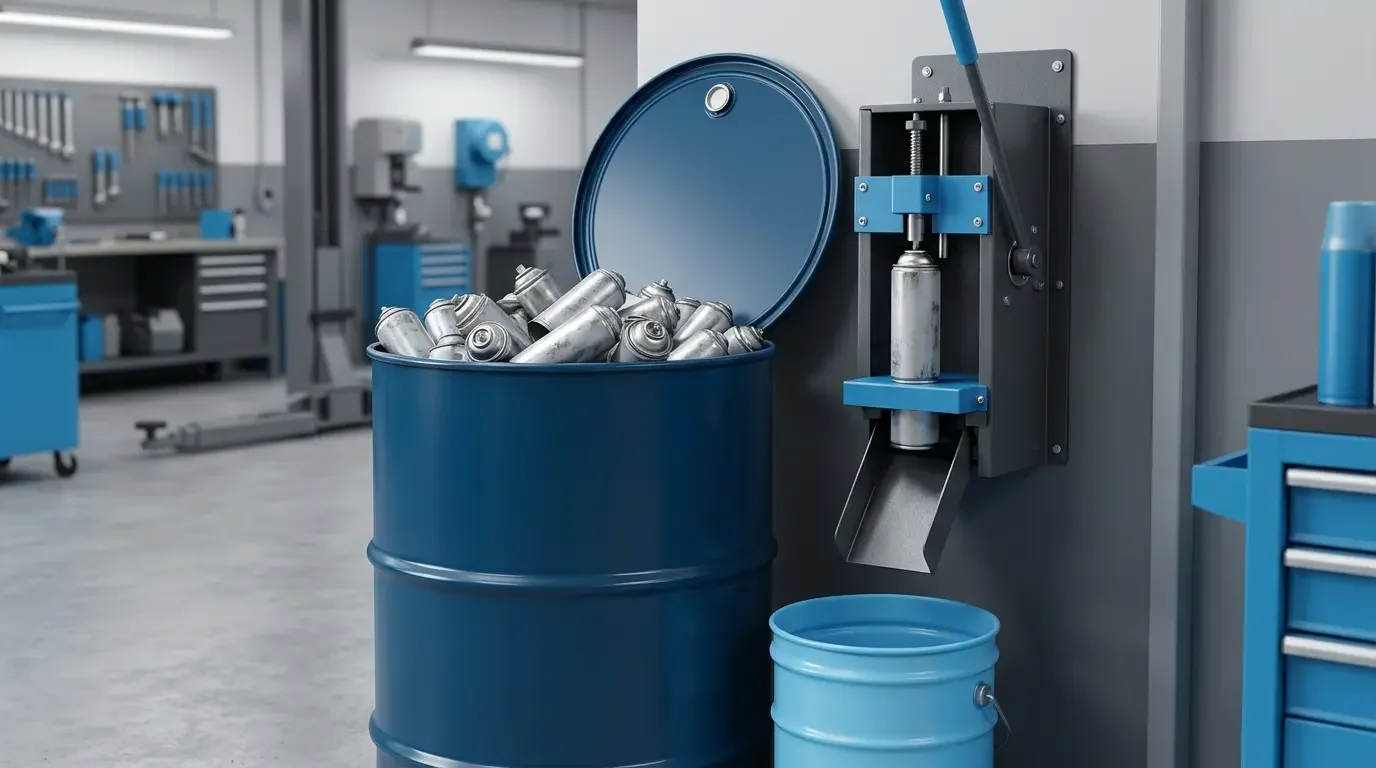
Aerosol cans are one of the most common hazardous waste streams in American businesses, and one of the most commonly mishandled. Paint, lubricants, cleaners, degreasers, adhesives, pesticides, and personal care…

Continue ReadingAerosol Can Disposal for Businesses: Universal Waste, Puncturing, and When a Can Is Actually Empty